
How to Lower Your Heating Bills This Winter in Chicagoland
The fastest ways to lower a winter heating bill in Chicagoland are to seal air leaks, optimize your thermostat, keep your furnace maintained, and add insulation where it is thin. Together these can cut heating costs noticeably without a major renovation. Here are the highest-impact steps, roughly in order of cost-to-benefit.
1. Dial in your thermostat
Set your thermostat to about 68°F while you are home and awake, and let it drop 7–10 degrees overnight and when the house is empty. The U.S. Department of Energy estimates that an 8-hour daily setback of that size can save around 10% a year on heating. A smart thermostat automates the schedule so you never have to think about it.
2. Seal air leaks and drafts
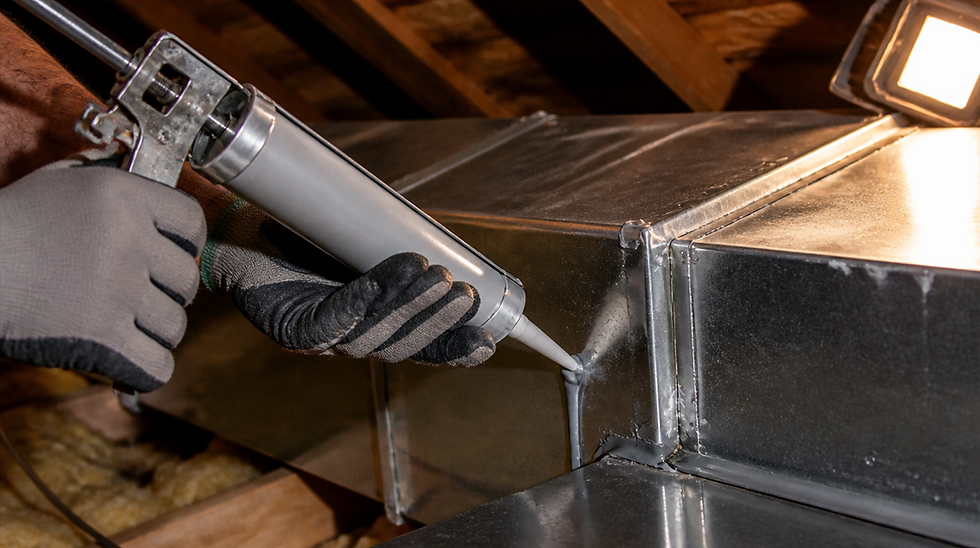
Air leaking around windows, doors, outlets, and rim joists is one of the biggest sources of wasted heat—especially in older Chicago bungalows and frame homes. Weatherstripping, a fresh bead of caulk, foam outlet gaskets, and door sweeps cost very little and cut runtime right away.
3. Add or upgrade attic insulation
Heat rises and escapes through the attic, so attic insulation usually delivers the best return of any efficiency project. For northern Illinois, the DOE recommends roughly R-49 to R-60 in the attic. If you can see the tops of the floor joists, you are underinsulated.
4. Keep your furnace maintained
A dirty filter or a neglected furnace burns more fuel to deliver the same heat. Change the filter on schedule and book an annual tune-up—see our guide to why a fall tune-up pays off.
5. Use curtains and ceiling fans strategically
Open south-facing curtains during the day to capture free solar heat, then close them at night to insulate the glass. Set ceiling fans to spin clockwise on low, which pushes warm air that collects at the ceiling back down into the room.
6. Manage indoor humidity
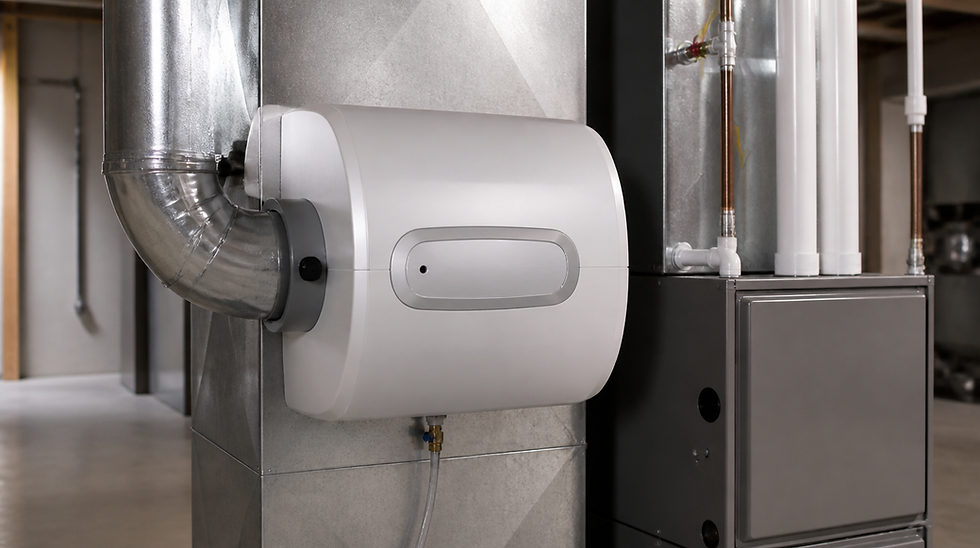
Moist air holds heat better and feels warmer than dry air, so keeping indoor humidity around 30–40% lets you stay comfortable at a lower thermostat setting. A whole-home humidifier is the easiest way to get there in a bone-dry Chicago winter—here is what dry winter air costs you.
7. Consider a high-efficiency furnace upgrade
A furnace’s efficiency is measured by AFUE (Annual Fuel Utilization Efficiency). Older units often run at 80% AFUE or lower, meaning a fifth of your fuel dollars go up the flue. Modern high-efficiency furnaces reach 95–98% AFUE. If your furnace is 15 or more years old, upgrading can cut fuel use significantly, and utility rebate programs from providers like Nicor Gas, Peoples Gas, and ComEd often help offset the cost—ask about current offers.
What is the single biggest factor in a high heating bill?
For most Chicago-area homes it is a combination of air leakage, an aging or inefficient furnace, and thermostat habits. Air sealing and a smart thermostat are the cheapest fixes; a furnace upgrade is the bigger lever if your equipment is near the end of its life.
Frequently asked questions
What temperature should I keep my house in winter to save money?
About 68°F when you are home and awake, lowered several degrees overnight and when you are away. Every degree of setback saves energy.
Does lowering the thermostat at night really save money?
Yes. The Department of Energy estimates roughly 10% annual savings from an 8-hour setback of 7–10 degrees, and a programmable thermostat makes it effortless.
Is it cheaper to keep the heat at one temperature all day?
Generally no. Despite a common myth, letting the temperature drop while you are asleep or away uses less energy than holding a steady temperature around the clock.
When is a new furnace worth it for energy savings?
When your furnace is 15 or more years old or runs below about 90% AFUE and repairs are adding up. The efficiency jump and available rebates can make the math work.
CCC Mechanical helps Chicagoland homeowners lower their heating costs with tune-ups, smart-thermostat installs, and high-efficiency furnace upgrades. Call 630-827-9024 for an honest look at where you are losing money.

Comments