
Indoor Air Quality Improvement for Healthier Living
Updated: Aug 13
Indoor air quality plays a big role in your health and comfort. At home or at work, the air you breathe indoors affects your well-being every day, and poor air quality can bring on headaches, allergies, and even long-term health problems. That is why indoor air quality improvement matters. Here are practical tips and insights to help you create a healthier indoor environment.
Why Indoor Air Quality Improvement Matters
Indoor air can be more polluted than outdoor air, especially in urban areas like Chicago. Dust, mold, pet dander, and chemicals from cleaning products all drag down air quality. When you improve your indoor air, you cut these pollutants and create a safer space for everyone.
Good air quality means fewer allergies, better sleep, and more energy. It also protects children, seniors, and anyone with a respiratory condition. And clean air can extend the life of your HVAC system by reducing dust buildup.
Here are the key reasons to focus on indoor air quality improvement:
Protect your health from airborne irritants and allergens.
Enhance comfort by reducing odors and stuffiness.
Save money by improving HVAC efficiency.
Increase property value with a healthier home environment.

Simple Steps for Indoor Air Quality Improvement
Improving indoor air does not have to be complicated or expensive. Start with small changes that make a big difference:
Ventilate regularly - open windows when weather permits to let fresh air in and stale air out.
Use air purifiers - choose models with HEPA filters to capture tiny particles.
Control humidity - keep indoor humidity between 30% and 50% to prevent mold growth.
Keep your HVAC system clean - change filters every three months and schedule professional maintenance.
Limit chemical use - choose natural cleaning products and avoid strong fragrances.
Remove shoes indoors - this cuts down on dirt and pollutants tracked inside.
Add indoor plants - some plants help filter the air naturally.
If you want to learn more about how to improve indoor air quality, check out the resources at CCC Mechanical. We specialize in HVAC and air quality solutions for the Chicago area.
What are the Symptoms of Poor Air Quality in a House?
Recognizing poor indoor air quality is the first step to fixing it. Here are common symptoms you might notice:
Frequent headaches or dizziness
Persistent coughing or sneezing
Dry or irritated eyes, nose, and throat
Worsening asthma or allergy symptoms
Unpleasant odors or stuffy air
Increased dust accumulation
If you or your family notice these symptoms regularly, it is time to act. Better ventilation, clean air filters, and fewer indoor pollutants can ease these issues.

How HVAC Systems Affect Indoor Air Quality
Your heating, ventilation, and air conditioning (HVAC) system is central to good indoor air. A well-maintained system circulates clean air and controls temperature and humidity effectively.
Here is how your HVAC affects air quality:
Filters trap dust and allergens - regular filter changes keep the air cleaner.
Ventilation removes stale air - proper airflow prevents pollutant buildup.
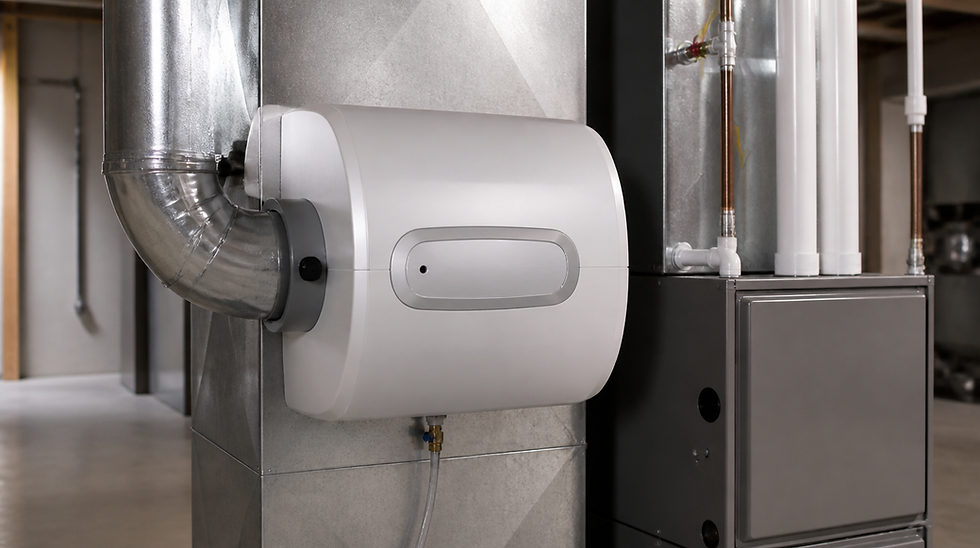
Humidity control reduces mold - some systems include humidifiers or dehumidifiers.
Air purification options - advanced systems can add UV lights or ionizers to kill bacteria.
Neglecting your HVAC system leads to poor air circulation and more indoor pollution. That is why routine inspections and maintenance with a team you trust are essential, and it is exactly what we do at CCC Mechanical.
Tips for Maintaining Healthy Indoor Air Year-Round
Indoor air quality shifts with the seasons. Here is how to keep your air fresh and healthy all year:
Spring and summer: open windows early morning or late evening to avoid outdoor pollutants, and run your AC with clean filters to control humidity.
Fall: clean gutters and vents to prevent mold and debris buildup, and seal cracks around windows and doors to keep allergens out.
Winter: use a humidifier to combat dry indoor air, and avoid fireplaces or wood stoves without proper ventilation.
Regular cleaning helps too. Dust surfaces with a damp cloth, vacuum with a HEPA-filter vacuum, and wash bedding weekly to reduce allergens.
Partnering with Experts for Better Air Quality
Sometimes improving your air takes professional help. HVAC experts can assess your home or business and recommend the best solutions. We can:
Perform air quality testing
Install advanced filtration systems
Repair or upgrade HVAC units
Provide ongoing maintenance plans
If you live in the Chicago area, we can help. At CCC Mechanical, we offer fast, honest service focused on your comfort and health. Visit www.cccmech.com or call (630) 827-9024 to learn more about our air quality services.
Creating a Healthier Indoor Environment Starts Today
Improving your indoor air is one of the best investments you can make in your health and comfort. With a few simple steps and the right partner, you can breathe easier and enjoy a cleaner, fresher home or workplace.
Good air quality means better health, more energy, and peace of mind. Start today by checking your ventilation, cleaning your filters, and exploring air purification options. Your lungs will thank you.
For expert advice and quality HVAC services in the Chicago area, visit www.cccmech.com or call (630) 827-9024. We are ready to help you create a healthier indoor environment for years to come.


Comments