
Commercial HVAC in Chicago: Solutions, Installation, and Efficient Heating and Cooling
Updated: Aug 13
Keeping your business comfortable year-round starts with the right commercial HVAC system. Whether you run a small office, a retail space, or a large facility in Chicago, the system you choose, how it is installed, and how you maintain it all make a difference. Here is a complete guide to commercial HVAC solutions, from picking and installing the right system to maintenance, the rules of thumb worth knowing, and planning for the future.
Why Commercial HVAC Solutions Matter
Commercial HVAC systems are different from residential ones. They handle larger spaces and more people, so they have to be powerful, efficient, and reliable. A good system keeps your employees and customers comfortable while saving energy and reducing costs.
Here is why investing in the right commercial HVAC solution is smart:
Comfort: proper heating and cooling improve productivity and customer satisfaction.
Energy efficiency: modern systems use less energy and lower your utility bills.
Air quality: good systems filter the air, cutting allergens and pollutants.
Longevity: quality equipment lasts longer and needs fewer repairs.
To run smoothly all year, you need a system that fits your building, and that is where professional help comes in. A trusted commercial heating and cooling company can design and install the right system for your needs.
Exploring Commercial HVAC Solutions
There are several types of commercial HVAC systems. The right one depends on your building size, layout, and budget. Here are the common options:
1. Rooftop Units (RTUs)
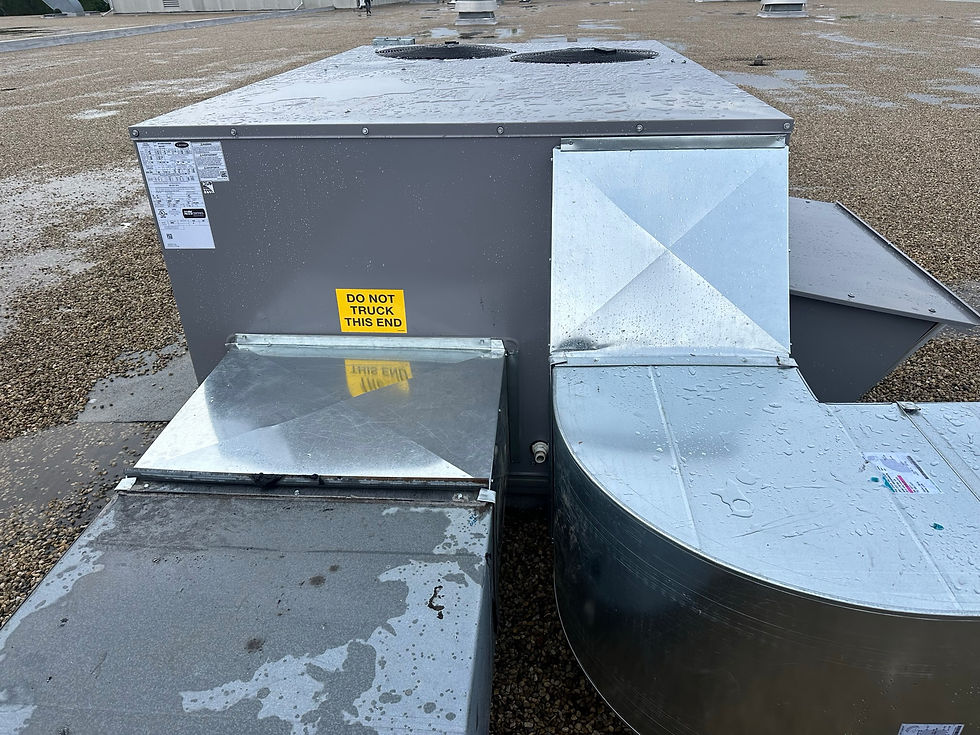
Rooftop units are popular for commercial buildings. They sit on the roof and handle both heating and cooling, saving indoor space and staying easy to service.
Ideal for medium to large buildings
Easy to access for repairs
Can be customized with different heating and cooling capacities
2. Split Systems
Split systems have two parts, an outdoor unit and an indoor unit. They run quieter and more efficiently than RTUs.
Great for smaller commercial spaces
Flexible installation options
Efficient cooling and heating
3. Variable Refrigerant Flow (VRF) Systems
VRF systems are advanced and highly efficient. They adjust refrigerant flow to match the building's needs.
Perfect for buildings with varying heating and cooling zones
Energy-saving and quiet
Higher upfront cost but lower operating costs
4. Chilled Water Systems
These systems use chilled water to cool large buildings. They are common in big offices and hospitals.
Efficient for very large spaces
Requires a cooling tower and pumps
Complex installation but excellent performance
Whichever system you choose, regular maintenance is key. It keeps your HVAC running smoothly and extends its life.

Planning a Commercial HVAC Installation
Installing a commercial HVAC system is not a DIY project. It takes expertise, precision, and the right tools. When you work with professionals, you get:
Proper system sizing: a system matched to your building saves energy and money.
Correct installation: no costly mistakes that lead to breakdowns.
Compliance with local codes: installations that meet Chicago regulations.
Long-term support: maintenance and repairs that keep your system running.
When you plan an installation, keep these factors in mind:
Building size and layout. Your building's size drives the type and capacity you need. Open floor plans call for different solutions than segmented offices or warehouses.
Energy efficiency. Look for a high SEER (Seasonal Energy Efficiency Ratio) rating. Efficient units save money and reduce your carbon footprint.
Indoor air quality. Good ventilation and filtration matter, especially in busy commercial spaces, and keep your people healthy.
Zoning options. Zoning lets you control temperatures in different areas independently, saving energy and improving comfort.
Maintenance access. Install the system so routine maintenance stays easy. That prevents downtime and extends equipment life.
Focus on these points and your installation will meet your needs now and down the road.

What is the 2 Foot Rule for HVAC?
The 2 foot rule is a simple but important installation guideline. It says there should be at least 2 feet of clearance around HVAC units and components. That space allows for:
Proper airflow
Easy access for maintenance and repairs
Safe operation without obstruction
Ignore this rule and you get poor performance and extra wear and tear. When we install commercial HVAC systems, we follow it strictly. It is a small detail that makes a big difference in system longevity and efficiency.

What is the $5000 rule for HVAC?
The $5000 rule is a simple guideline for deciding whether to repair or replace your system. It says:
If the repair costs more than $5000, it is usually better to replace the system.
If the repair is less than $5000, fixing it may be the smarter choice.
Why $5000? Major repairs add up quickly, and older systems break down more often, costing you more over time. Replacing an aging system with a new, energy-efficient one saves on energy bills and future repairs.
Here is how to use the $5000 rule:
Get a detailed estimate for the repair.
Compare it to the cost of a new system.
Consider the age and efficiency of your current HVAC.
Think about the energy savings a new system would bring.
The rule helps you make a clear, practical decision. If you are unsure, a professional from a commercial heating and cooling company can guide you.
Tips for Maintaining Your Commercial HVAC System
Keeping your system in top shape is easier than you think. Regular maintenance prevents breakdowns and keeps everything efficient. A few tips:
Change filters regularly: dirty filters cut airflow and strain your system.
Schedule inspections: have a professional check your system at least twice a year to catch issues early.
Clean coils and ducts: dust and debris lower efficiency and air quality.
Check thermostats: make sure they are calibrated and working properly.
Monitor energy bills: a sudden spike can signal an HVAC problem, so address it promptly.
Follow these steps and you protect your investment and keep your space comfortable.
Choosing the Right Commercial Heating and Cooling Company
Finding the right partner is crucial. You want a company that is fast, reliable, and honest. Here is what to look for:
Experience: a strong track record with commercial HVAC projects.
Certifications: licensed and insured technicians who ensure quality and safety.
Local knowledge: familiarity with Chicago's climate and building codes.
Customer service: friendly, clear communication and positive reviews from other businesses.
Emergency support: help available when you need it, because HVAC issues happen anytime.
Transparent pricing: clear estimates with no hidden fees.
At CCC Mechanical, we meet all of these. We focus on fast, honest service and lasting relationships, handling everything from the first consultation to installation and ongoing maintenance for businesses across the Chicago area.
Planning for the Future with Commercial HVAC
Your HVAC system is a long-term investment. Planning ahead helps you avoid surprise costs and downtime. A few ideas to keep in mind:
Energy upgrades: look for systems with ENERGY STAR ratings or smart controls.
Zoning systems: control temperatures in different areas separately to save energy.
Indoor air quality: consider adding air purifiers or humidifiers.
Smart thermostats: these learn your schedule and adjust settings automatically.
Proactive upgrades: replace parts before they fail to keep your system running smoothly.
Think ahead and your business stays comfortable and efficient for years to come.
Ready for reliable, efficient commercial HVAC? Start with a trusted partner. Visit www.cccmech.com or call us at (630) 827-9024 to talk through your heating, cooling, and air quality needs. With the right system and expert care, your business stays comfortable no matter the season.


Comments